Located in the heart of Italy, the picturesque town of Todi is one of Umbria’s hidden gems, a region famous for its rolling landscapes, medieval villages, and rich food and wine traditions. Whether you’re planning a visit or simply want to learn more about this enchanting place, this guide will provide you with a detailed overview of everything Todi has to offer.
Introduction to Todi
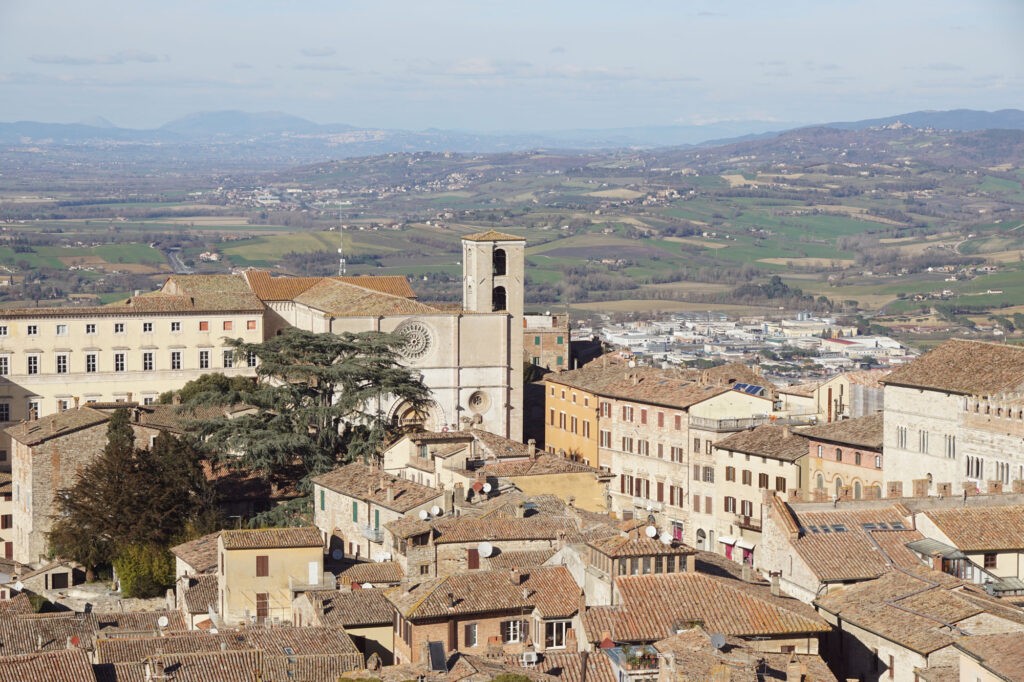
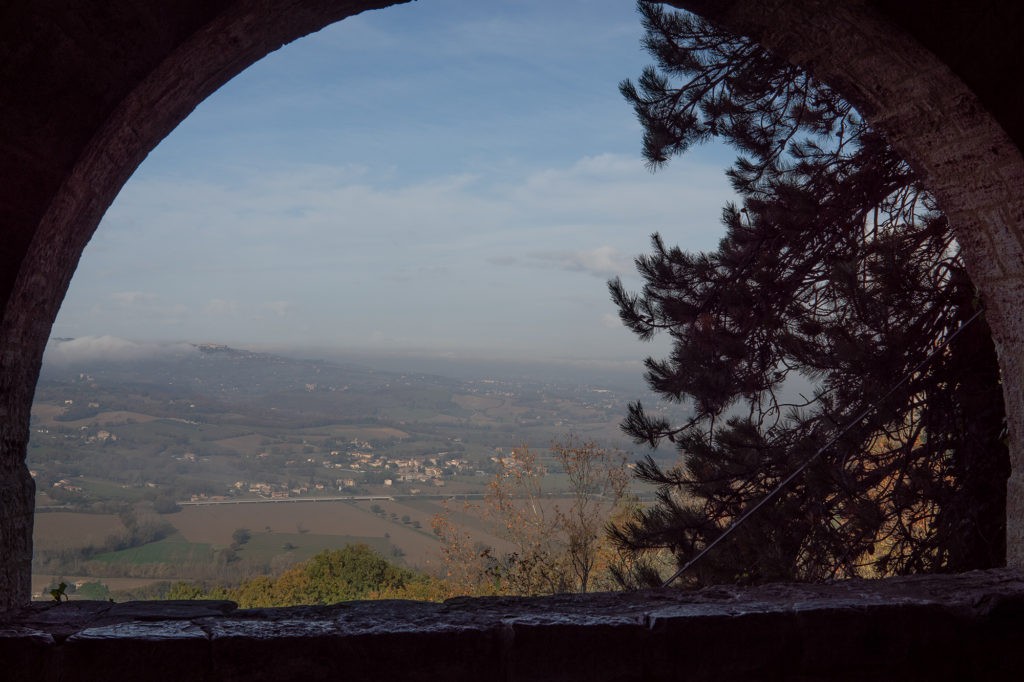
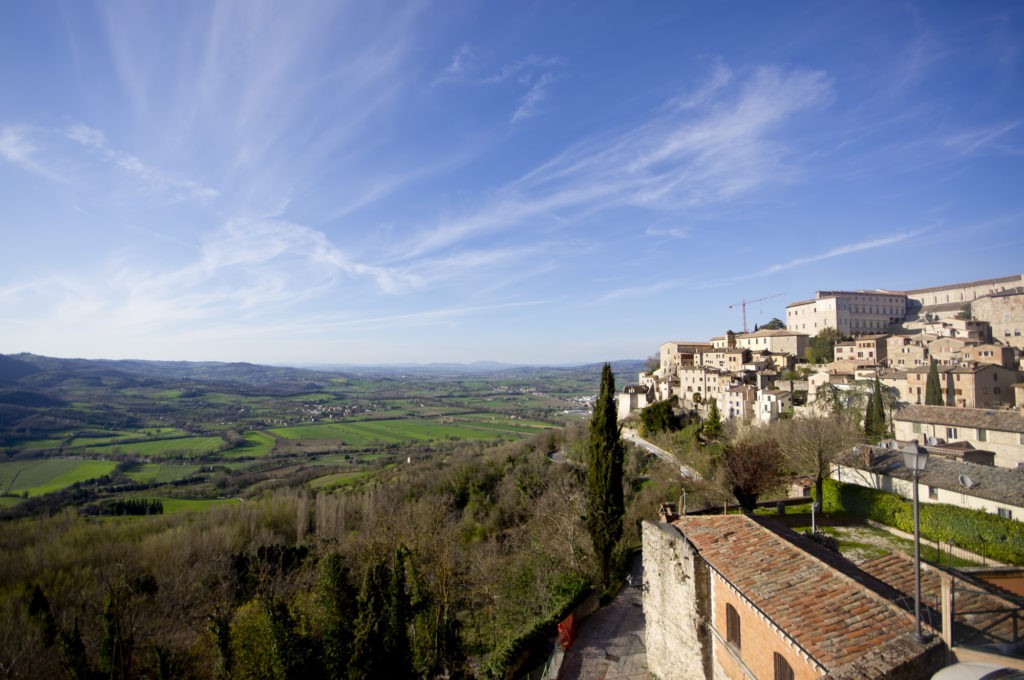
Todi is a charming medieval village perched on a hill overlooking the Tiber Valley. Known for its breathtaking beauty and architectural harmony, it was even dubbed “the most livable city in the world” by a group of American researchers in the 1990s. Its cobblestone streets, well-preserved historic buildings, and spectacular views attract thousands of visitors from around the world each year.

Despite its small size, Todi boasts a cultural and historical heritage of great significance, reflected not only in its monuments but also in local traditions and gastronomy. If you’re looking for a place that encapsulates the charm of medieval Italy with a tranquil and welcoming atmosphere, Todi is the perfect destination.
History of Todi
Founded by the Umbrians around the 8th century BC, Todi was later conquered by the Etruscans and finally by the Romans. The city’s name itself derives from the Etruscan term “Tular,” meaning border, reflecting its strategic position between Umbria and Etruria.
/


During the Roman period, Todi became an important commercial and political center thanks to its commanding position over the Tiber Valley. After the fall of the Roman Empire, the city underwent several invasions but maintained its importance during the Early Middle Ages, when it was fortified and further developed.
Over the centuries, Todi continued to thrive under the rule of the Communes and the Signories, becoming a cultural and artistic center. Today, the city retains many of its medieval and Renaissance buildings, testaments to its long and rich history.
What to See in Todi
One of Todi’s main attractions is its well-preserved medieval architecture, which can be easily explored on foot. Here is a list of the main places to visit:
People’s Square
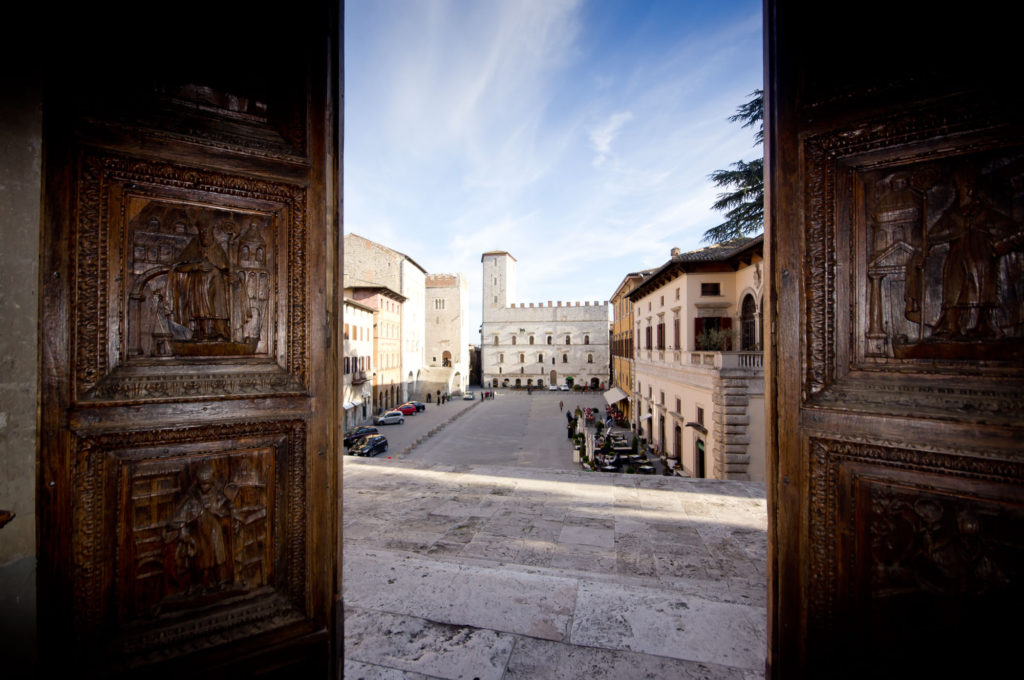
The heart of Todi is undoubtedly the **Piazza del Popolo**, one of the most beautiful medieval squares in Italy. Surrounded by historic palaces and dominated by the Duomo, this square offers a perfect glimpse of the city’s daily life. It’s the ideal spot for a relaxing stroll, an outdoor coffee, or simply to soak up the atmosphere.


Todi Cathedral
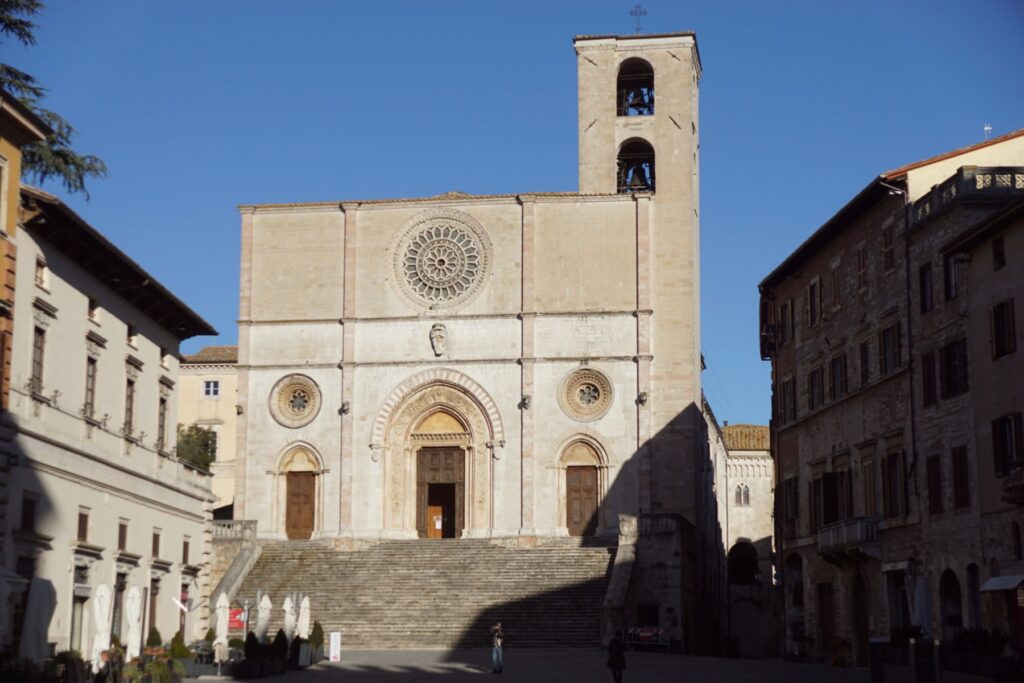
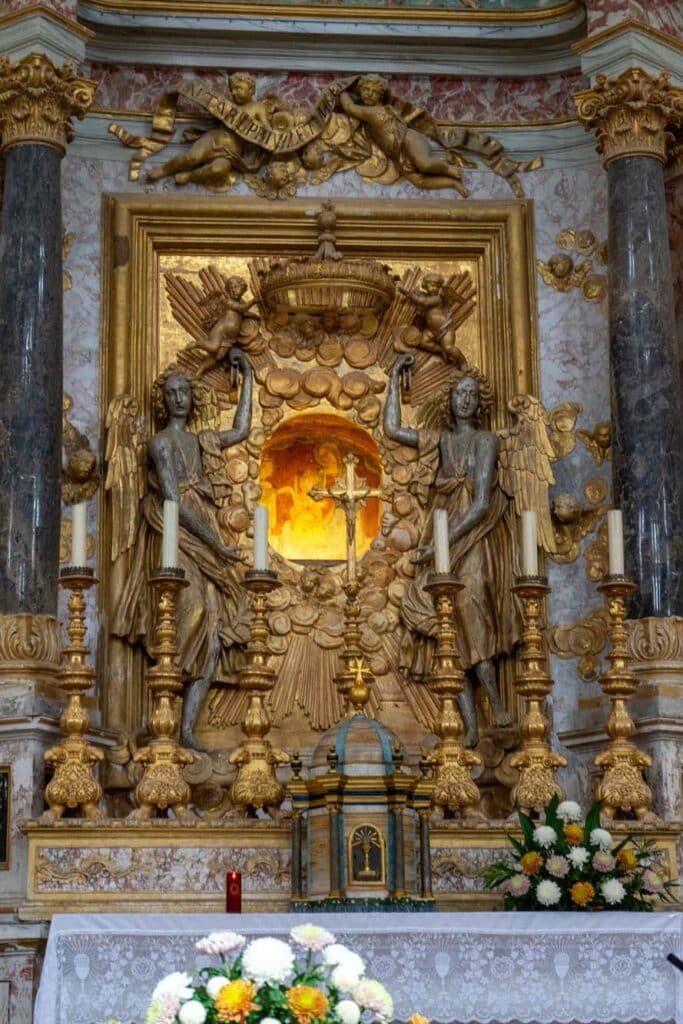
The **Todi Cathedral**, also known as the Cathedral of the Annunciation, stands majestically atop a wide staircase overlooking the square. Its construction dates back to the 12th century, but it has been modified over the centuries. The interior features a Latin cross plan with precious frescoes and a crypt worth visiting.
Palazzo del Capitano and Palazzo del Popolo
Two of Todi’s most important buildings are also located on Piazza del Popolo: the **Palazzo del Capitano** and the **Palazzo del Popolo**. These two palaces, built between the 13th and 14th centuries, are magnificent examples of Gothic architecture. Today, they house the Civic Museum, where you can admire archaeological artifacts, paintings, and other artworks related to the city’s history.
Church of San Fortunato
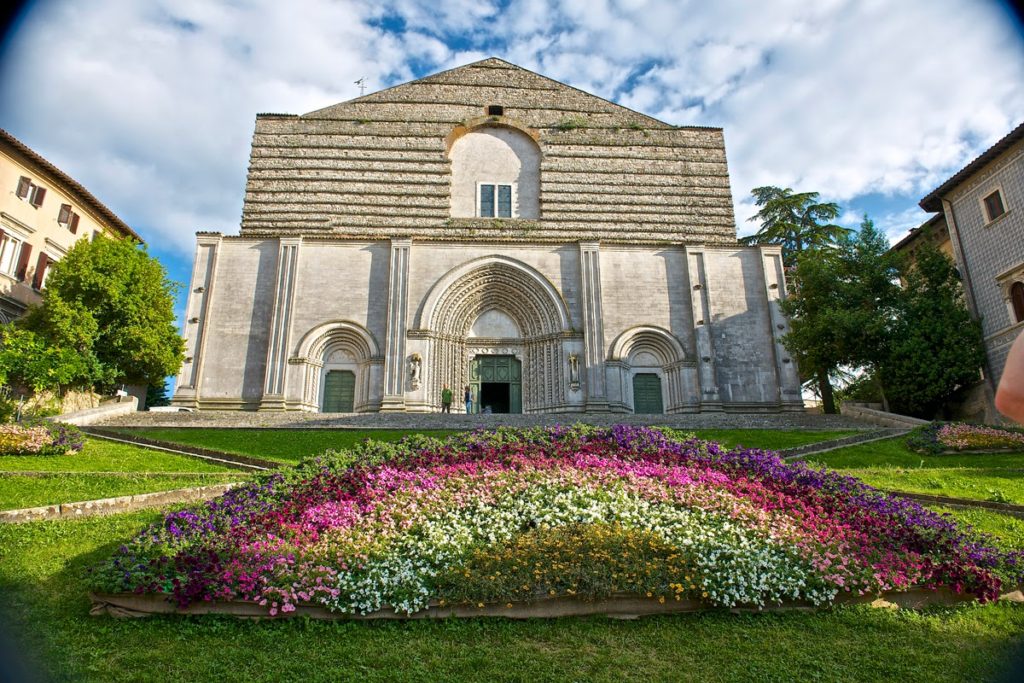
The **Church of San Fortunato** is one of Todi’s most important religious buildings. Situated atop a long staircase, the church is a perfect example of Umbrian Gothic architecture. Inside, there are 15th-century frescoes and the crypt where Jacopone da Todi, the famous religious poet, is buried.


Temple of Santa Maria della Consolazione
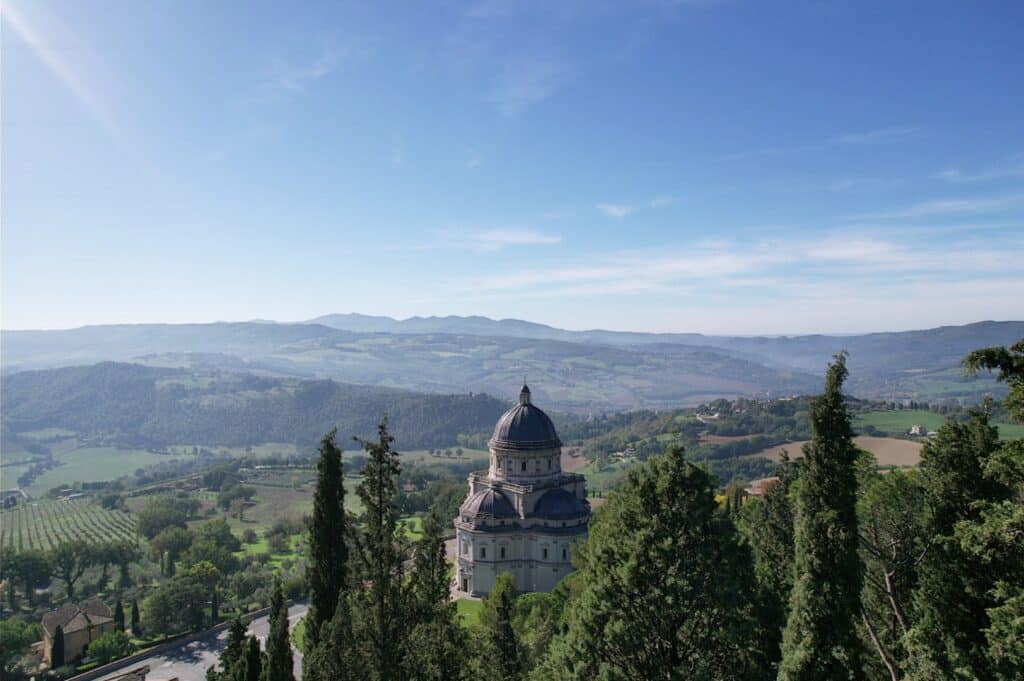
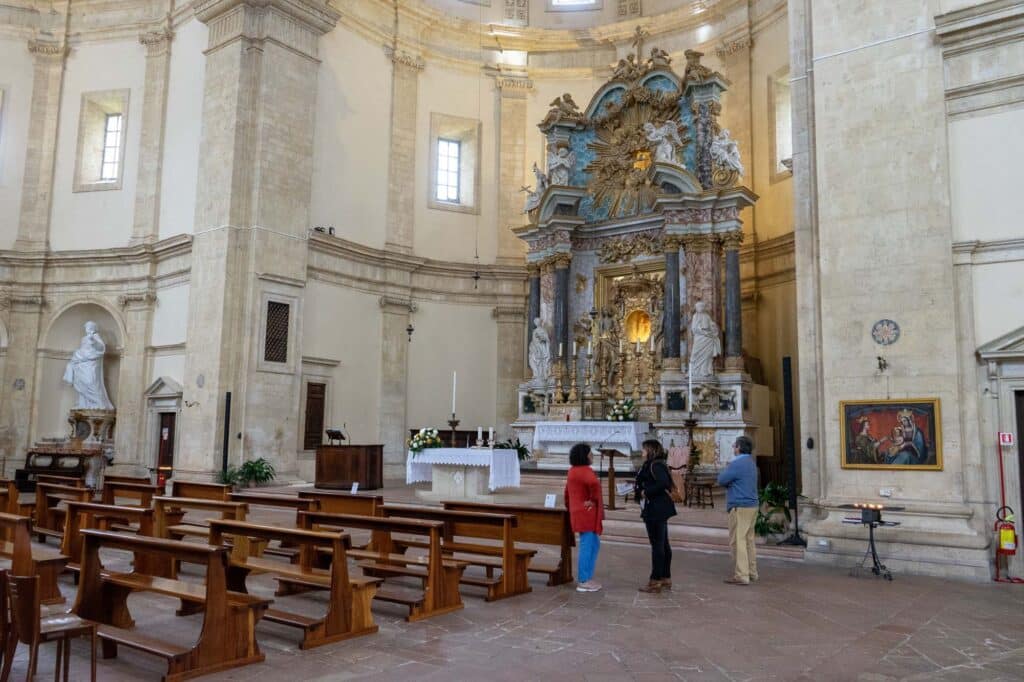
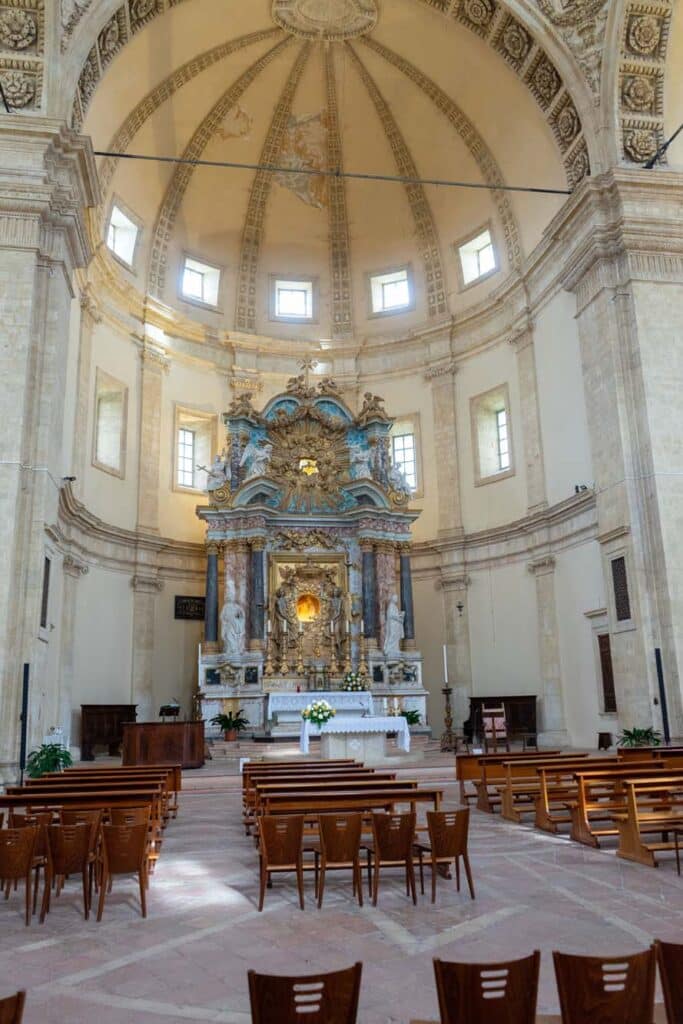
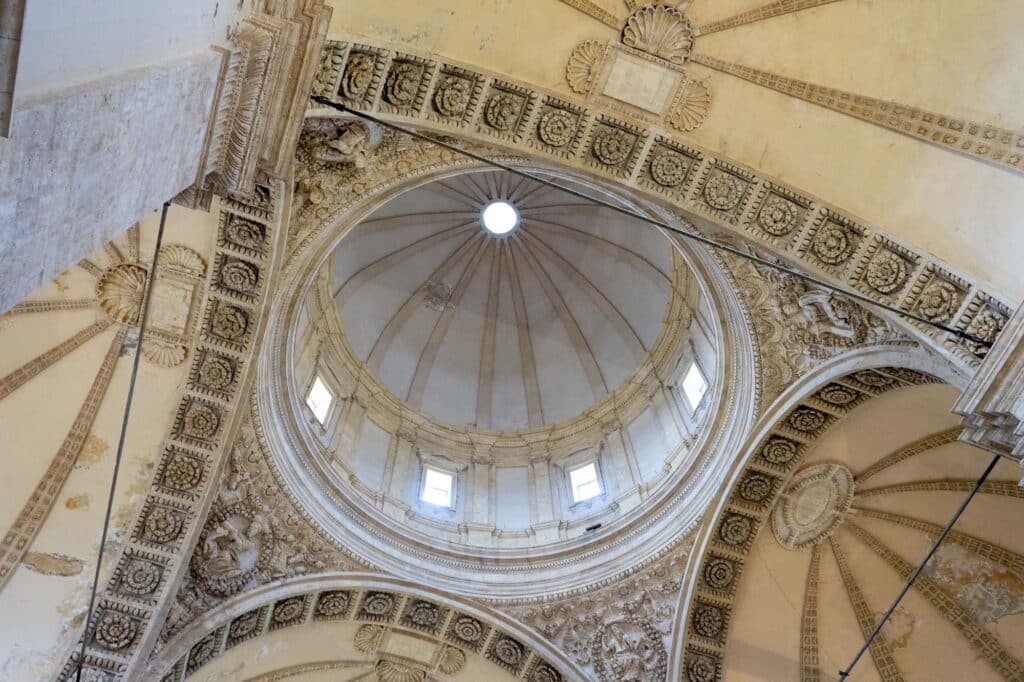
The **Temple of Santa Maria della Consolazione** is perhaps Todi’s most iconic symbol. This extraordinary Renaissance building, located just outside the city walls, is attributed to the renowned architect Bramante. Its central Greek cross plan and the dome that crowns the building are masterpieces of engineering and art.



Key Takeaways
- Todi is a town in Umbria, known for its architectural beauty and cultural heritage.
- The history of Todi dates back to the 8th century BC, but it has maintained its importance over the centuries.
- The main attractions include Piazza del Popolo, Todi Cathedral, and the Temple of Santa Maria della Consolazione.
- Todi also offers outdoor activities, cultural events like the Todi Festival, and typical dishes such as Wild Boar Hunter’s Style.
- There are various accommodation options, from farmhouses to luxury hotels in the historic center.
Activities in and Around Todi
In addition to historical monuments, Todi offers numerous activities that allow you to discover local nature and traditions.
Hiking and Nature Trails
Todi is surrounded by hills and valleys that offer excellent opportunities for outdoor enthusiasts. The numerous **hiking trails** lead to breathtaking views and hidden villages in the Umbrian countryside. Among the most popular are the trails leading to Monte Castello di Vibio and those following the course of the Tiber River. The most appreciated and well-known is the Percorso del Furioso, perfect for mountain biking or gravel biking.




Local Events and Traditions
Todi is rich in cultural and religious traditions, many of which are celebrated with events and festivals throughout the year. The most famous is undoubtedly the **Todi Festival**, a showcase of theater, music, and visual arts that attracts artists and spectators from all over Italy. Another significant event is the feast of **San Fortunato**, the city’s patron saint, celebrated with religious processions and folkloric events.
Todi’s Cuisine: Typical Dishes and Where to Eat
Umbrian cuisine is known for its rustic and authentic flavors, and Todi is no exception. The area’s typical dishes are simple yet tasty, often prepared with local and seasonal ingredients. Here are some dishes you shouldn’t miss:


– **Wild Boar Hunter’s Style**: one of the area’s specialties, prepared with aromatic herbs and red wine.
– **Strangozzi**: a type of handmade fresh pasta, often served with sauces based on black truffle or game.
– **Farro Soup**: a traditional dish made with farro, legumes, and vegetables, perfect for colder days.
– **Torta al Testo**: a kind of focaccia typical of Umbria, served with local cold cuts like prosciutto and salami.
Where to Eat in Todi
Todi boasts a wide range of restaurants and trattorias, offering both traditional cuisine and modern reinterpretations. Among the most appreciated restaurants are:
– **Ristorante Umbria**: located in a panoramic position, this restaurant offers traditional dishes with a spectacular view of the valley.
– **Antica Hosteria de la Valle**: a historic venue offering homemade and authentic cuisine.
– **Pane e Vino**: a wine bar with a wide selection of local wines and a menu that highlights Umbrian flavors.
Where to Stay in Todi
Whether you’re looking for a farmhouse immersed in nature or a luxury hotel in the historic center, Todi offers a variety of accommodation options. Some of the most recommended places include:
– **Agriturismo Poponi **: a farmhouse located near the historic center, perfect for those seeking tranquility and contact with nature.
– **Hotel Fonte Cesia**: an elegant hotel in the heart of the historic center, just steps from Piazza del Popolo.
– **Residenza Roccafiore**: a resort with a spa located just outside Todi, ideal for those who want an absolutely relaxing stay.